
Vaginal yeast infection, also known as candidiasis, is a common condition. A healthy vagina contains bacteria and some yeast cells. But when the balance of bacteria and yeast changes, the yeast cells can multiply. This causes intense itching, swelling, and irritation.
Vaginal yeast infections aren’t considered a sexually transmitted infection (STI). Sexual contact can spread it, but women who aren’t sexually active can also get them. Once you get a yeast infection, you’re also more likely to get another one
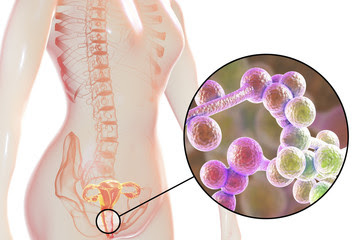
But if there’s an imbalance in your system, these bacteria won’t work effectively. This leads to an overgrowth of yeast, which causes the symptoms of vaginal yeast infections.
Most vaginal yeast infections can be caused by the organism Candida albicans. Yeast infections are very common and affect up to 75% of women at some point in their lifetime.
The main symptom of a vaginal yeast infection is itching, but burning, discharge, and pain with urination or intercourse can also occur.
Several factors can cause a yeast infection, including:
antibiotics (they decrease the amount of Lactobacillus [“good bacteria”] in the vagina)
pregnancy
uncontrolled diabetes
weak immune system
poor eating habits, including a lot of sugary foods
hormonal imbalance near your menstrual cycle
stress
lack of sleep
A specific kind of yeast called Candida albicans causes most yeast infections. These yeast infections are easily treatable.
If you’re having recurring yeast infections or problems getting rid of a yeast infection with conventional treatment, then a different version of Candida might be the cause. A lab test can identify what type of Candida you have.
Treating a vaginal yeast infection can relieve symptoms within a few days. In more severe cases, it may take up to two weeks.
Uncomplicated yeast infection can be treated thus:
Short-course vaginal therapy. Antifungal medications are available as creams, ointments, tablets and suppositories.
Single-dose oral medication. Your doctor might prescribe a one-time, single oral dose of the antifungal medication fluconazole (Diflucan).
Over-the-counter treatment.
Buy this four ingredients:
1. Garlic #100
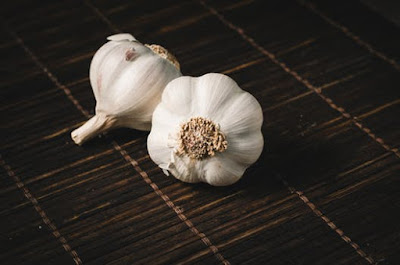
2. Ginger #100

3. Cloves #100

4. Tumeric #100

NOTE: Don't mistake Tumeric for Ginger, they look alike but are different ingredients
Procedure:
1. Peel the ingredients
2. Slice them into pieces
3. Then soak them in a container with a 1 liter of water for 3 days
4. Drink after 3 days of soaking it, a full glass of the water first thing in the morning and another full glass of the water before going to bed for 3days and you will be amaze with the result
There are other Home remedies too:
Over-the-counter treatments. Antifungal treatments in the form of creams or pessaries can be purchased over the counter to treat yeast infections.
Boric acid. Vaginal boric acid capsules can work for women with a yeast infection.
Tea tree oil.
Probiotic supplements.
Natural yogurt.
Coconut oil.
Garlic.
Oil of oregano.
Moist skin on the penis, possibly with areas of a thick, white substance collecting in skin folds.
Areas of shiny, white skin on the penis.
Redness, itching or a burning sensation on the penis.
Itching and irritation in the vagina and the tissues at the vaginal opening (vulva)
A burning sensation, especially during intercourse or while urinating.
Redness and swelling of the vulva.
Vaginal pain and soreness.
Vaginal rash.
Watery vaginal discharge.
Foods containing simple sugars, including many fruits.
White flour and other glutenous grains.
Anything fermented with yeast, such as alcoholic drinks.
Some dairy products, including whole milk.
Vaginal yeast infections aren’t considered a sexually transmitted infection (STI). Sexual contact can spread it, but women who aren’t sexually active can also get them. Once you get a yeast infection, you’re also more likely to get another one

What causes vaginal yeast infections?
The fungus Candida is a naturally occurring microorganism in the vaginal area. Lactobacillus bacteria keeps its growth in check.But if there’s an imbalance in your system, these bacteria won’t work effectively. This leads to an overgrowth of yeast, which causes the symptoms of vaginal yeast infections.
Most vaginal yeast infections can be caused by the organism Candida albicans. Yeast infections are very common and affect up to 75% of women at some point in their lifetime.
The main symptom of a vaginal yeast infection is itching, but burning, discharge, and pain with urination or intercourse can also occur.
Several factors can cause a yeast infection, including:
antibiotics (they decrease the amount of Lactobacillus [“good bacteria”] in the vagina)
pregnancy
uncontrolled diabetes
weak immune system
poor eating habits, including a lot of sugary foods
hormonal imbalance near your menstrual cycle
stress
lack of sleep
A specific kind of yeast called Candida albicans causes most yeast infections. These yeast infections are easily treatable.
If you’re having recurring yeast infections or problems getting rid of a yeast infection with conventional treatment, then a different version of Candida might be the cause. A lab test can identify what type of Candida you have.
Treating a vaginal yeast infection can relieve symptoms within a few days. In more severe cases, it may take up to two weeks.
Uncomplicated yeast infection can be treated thus:
Short-course vaginal therapy. Antifungal medications are available as creams, ointments, tablets and suppositories.
Single-dose oral medication. Your doctor might prescribe a one-time, single oral dose of the antifungal medication fluconazole (Diflucan).
Over-the-counter treatment.
What is the fastest way to get rid of a yeast infection?
The best method is the natural method which I am about to share...Buy this four ingredients:
1. Garlic #100

2. Ginger #100

3. Cloves #100

4. Tumeric #100

NOTE: Don't mistake Tumeric for Ginger, they look alike but are different ingredients
Procedure:
1. Peel the ingredients
2. Slice them into pieces
3. Then soak them in a container with a 1 liter of water for 3 days
4. Drink after 3 days of soaking it, a full glass of the water first thing in the morning and another full glass of the water before going to bed for 3days and you will be amaze with the result
There are other Home remedies too:
Over-the-counter treatments. Antifungal treatments in the form of creams or pessaries can be purchased over the counter to treat yeast infections.
Boric acid. Vaginal boric acid capsules can work for women with a yeast infection.
Tea tree oil.
Probiotic supplements.
Natural yogurt.
Coconut oil.
Garlic.
Oil of oregano.
What can happen if a yeast infection is left untreated?
If it is a yeast infection, what will happen if it goes untreated? ... Untreated yeast infections do not have long-term consequences, such as infertility or scarring. They tend to be uncomfortable, and can cause discharge and burning, but they do not cause permanent damage.How do u know if you have a yeast infection?
Vaginal yeast infection symptoms commonly include: Itching in the vaginal area and around the vulva (the opening of the vagina) Burning in the vaginal area. ... White or gray vaginal discharge that may be thick (sometimes described as looking like cottage cheese) but does not have a bad smell.How would a man know if he has a yeast infection?
Signs and symptoms of balanitis may include:Moist skin on the penis, possibly with areas of a thick, white substance collecting in skin folds.
Areas of shiny, white skin on the penis.
Redness, itching or a burning sensation on the penis.
What are the first signs of yeast infection?
Yeast infection symptoms can range from mild to moderate and include:Itching and irritation in the vagina and the tissues at the vaginal opening (vulva)
A burning sensation, especially during intercourse or while urinating.
Redness and swelling of the vulva.
Vaginal pain and soreness.
Vaginal rash.
Watery vaginal discharge.
How long do yeast infections last?
This depends on two factors: how severe the infection is and how it's treated. Mild yeast infections may clear up in as few as three days. Sometimes, they don't even require treatment. But moderate to severe infections may take one to two weeks to clear.Can a man pass a yeast infection to a woman?
Although uncommon, men can get a yeast infection by having unprotected sex with a woman with candidal vaginitis. It usually appears as small white spots, redness, or a dry, peeling rash on the penis accompanied by itching, irritation, or burning. Men who have not been circumcised are at an increased riskWhat can you eat to help a yeast infection?
Proponents of these regimens claim that a yeast infection diet can help to cure or prevent yeast infections by eliminating:Foods containing simple sugars, including many fruits.
White flour and other glutenous grains.
Anything fermented with yeast, such as alcoholic drinks.
Some dairy products, including whole milk.



5 Comments
I Want To Appreciate Dr.godwin for hs great deeds, I Was Diagnosed With type 2 Herpes Virus Last year,And Was Look For Solution To Be Cured Luckily I Saw Testimonies On How Dr.godwin Cure Herpes Virus I Decided To Contact Dr.godwin I Contacted Him He Prepared A Herbal Medicine Portion And Sent It To Me,I Started The Herbal Medicine For My Health.He Gave Me Step By Step Instructions On How To Apply It, When I Applied It As Instructed, I Was Cured Of This Deadly Herpes Within 2 weeks, I Am Now Herpes Negative.My Brother And Sister I No That There Are So Many People That Have There Same Herpes Virus Please contact Dr Goodwin To Help You Too,And Help Me To Thank Dr. GODWIN For Cure Me, I’m Cured By Dr. Godwin Herbal Medicine,His Contact Email: drgodwinsolutionhome@gmail.com
ReplyDeleteOr Cell Whatsapp Number +2348054615060 thank you .....
HERPES is a serious and recurring disease which can't be cure through drugs or injections by an American doctors but the best way to deal with Herpes is by taking natural herbs medicine for it, I have red about DR JAMES the great herbalist doctor who cured me from herpes with his powerful herbal medicine. I contacted him to know how he can help me and he told me never to worry that he will help me with the natural herbs!After 2 days of contacting him, he told me that the cure has been ready and he sent it to me via UPS SPEED POST and it got to me after 4 days i used the medicine as he instructed me (MORNING and EVENING) and i was cured!it's really like a dream but I am so happy! for the people suffering from herpes and other diseases like Yeast infections, Rectum effects, intestine damage, bowel obstruction, Ovarian disease, Cancer, hypothyroidism, Herpes, COPD, HIV, Arthritis, Lyme disease,Hpv, Infections,Liver Disease, Autoimmune Diseases, Parkinson's disease,Lupus,Nephrology and Hypertension, Neurology, Obstetrics, Gynecology, and Women's Health, Oncology, Pediatrics, Pulmonary, ACUTE MYELOFIBROSIS, ALZHEIMER's symptoms, BREAST CANCER, DIABETES, HAIR LOSS AND HAIR TREATMENT, KIDNEY DISEASES, LEUKEMIA, MYELOID LEUKEMIA, STEM CELL TREATMENT
ReplyDeleteshould contact him for his herbal medicine because i am a living testimony and i was cured of herpes and his medicine is legit. I sent him what he requested and he sent me his medicine which I took for 2 good weeks and today I am out here with a negative result. When I went for the test I was so happy after taking his herbal medication I paid homage to his country to celebrate with him on his African festival which he told me it usually happens every year. you can reach him through VIA E-mail drjamesherbalmix@gmail.com or whatsapp number:+2348152855846
HOW I GOT CURED OF HERPES DISEASE
ReplyDeleteI’m here to testify about what DR. OSO did it for me. I have been suffering from (HERPES) disease for the past 5 years and had constant pain,especially inside my body. During the first year,I had faith in God that I would be healed someday. This disease started circulating all over my body and I have been taking treatment from my doctor, few weeks ago I came across a testimony of one lady on the internet testifying about a Man called DR. OSO on how he cured her from herpes disease. And she also gave the email address of this man and advised anybody to contact him for help for any kind of sickness that he would be of help. so I emailed him telling him about my (HERPES) he told me not to worry that i was going to be cured!! Well I never believed it, well after all the procedures and remedies given to me by this man a few weeks later i started experiencing changes all over me as DR. OSO assured me that I will be cured,after some time. I went to my doctor to confirm if I had finally healed Behold, it was TRUE,the test came out negative. So friends my advice is if you have such sickness or any other at all you can contact DR. OSO for help.
Email} drosohaberhome@gmail.com
WhatsApp /call +2348162084839
https://www.facebook.com/drosoherbalhome/
https://sites.google.com/view/drosohaberhome/
His blog pagehttps://drosohaberhome.blogspot.com
you can also email me for more information about DR oso via smithmorgan2777@gmail.com ALL THANK TO DR OSO .
Natural herbs have cured so many illnesses that drugs and injections can't cure. I've seen the great importance of natural herbs and the wonderful work they have done in people's lives. I read people's testimonies online on how they were cured of Herpes, HPV HIV/AIDS & STDs, Diabetics , Gonorrhea, Hepatitis, Arthritis, Chronic pains. etc. by herbal medicine, so I decided to contact the doctor because I know nature has the power to heal anything. I was diagnosed with Herpes for the past years but Dr Chike cured me with his natural herbs and I referred my aunt and her husband to him immediately because they were both suffering from herpes but to God be the glory, they were cured too .I know it is hard to believe but I am a living testimony. There is no harm trying natural herbs. Contact Dr on Whats-App . +233502715551. text/call via: +1 (719) 629 0982 , or you can also contact through his Facebook Page @ Dr Chike Herbal Remedy.
ReplyDeleteAm really grateful and thankful for what Doctor Ehimare has done for me and my family. I Was having HERPES for good three years with no solution, the diseases almost took my life and because I was unable to work and I was also loosing lots of money for medication, but one faithful day when I went online, I met lots of testimonies about this great man so I decided to give it a try and to God be the glory he did it. he cured me of my diseases and am so happy and so pleased to Write about him today. if you need his help or you also want to get cured just the way I got mine, just him Doctor Ehimare Whatsapp him ; +1 (267) 691-1087 or his email address drehimare3@gmail.com and get your healing. He has cure for other deadly diseases like Diabetes, Hiv/Aids, Hepatitis of all types and Cancer
ReplyDelete